10 Signs Your Child Needs Communication Skills Training
Not all communication challenges in children are easy to notice.
Some kids are naturally quiet – while others may seem confident, but still struggle to express themselves clearly.
For parents, it can be difficult to understand whether a child just needs time or requires structured support to enhance their communication skills.
The reality is, communication is a skill that children learn over time — it doesn’t develop automatically.
Here, we’ll walk you through 10 clear signs your child may need communication skills training, along with practical insights to help you take the right next step.
Why Communication Skills Matter for Kids
Strong communication skills play an “essential” role in a child’s overall development.
They impact:
- Academic performance
- Social interactions
- Confidence & self-expression
- Leadership abilities
Children who can express their ideas clearly tend to:
- Participate more in class
- Build stronger friendships
- Feel more confident in new situations
On the other hand – children who struggle with communication may:
- Feel left out
- Avoid speaking situations
- Develop self-doubt over time
That’s why early attention to communication skills for kids can make a long-term difference.
10 Signs Your Child Needs Communication Skills Training
Let’s look at some common signs parents should watch for 👇
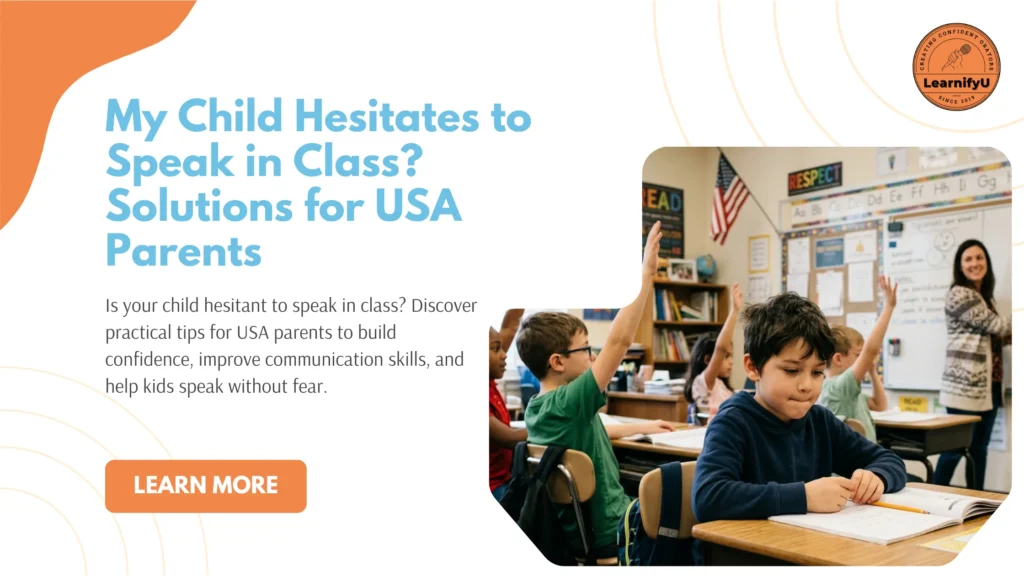
1. Hesitates to Speak in Class or Groups
If your kid knows the answer. But avoids raising their hand or speaking in front of others. It may reflect a lack of confidence.
This is one of the most common signs of shy children struggling with communication.
2. Struggles to Express Thoughts Clearly
Does your kid often say – “I don’t know how to explain it”?
Difficulty in organising thoughts & expressing ideas clearly is a strong indicator, that communication skills need improvement.
3. Avoids Eye Contact While Speaking
Eye contact plays a key role in effective communication.
Kids who avoid eye contact may feel nervous, unsure or lack confidence – while speaking.
4. Uses Limited Vocabulary
If your kid frequently uses the same words, sentences, or struggles to form complete sentences. It may impact their ability to communicate effectively.
Building vocabulary is an essential part of ––language development and communication skills.
5. Gets Nervous in Social Situations
Does your child feel uncomfortable? When they talk to new people or join in on group conversations?
That means your kid doesn’t have much confidence & are afraid to talk to others.
6. Avoids Presentations or Speaking Activities
Children who try to avoid presentations, storytelling, or speaking tasks may be dealing with fear of public speaking.
This is very common and can be improved with guided practice.
7. Relies on Parents to Speak for Them
If your child often depends on you to answer questions or speak on their behalf. It may reflects a lack of confidence in expressing themselves.
8. Struggles to Make or Maintain Friendships
Communication is key to building relationships.
If your child finds it difficult to initiate or maintain conversations, it may affect their social development.
9. Lacks Confidence While Answering Questions
Some children feel nervous even with simple questions. They may hesitate, speak quietly or avoid answering.
10. Gets Frustrated While Explaining Things
Children who struggle to express themselves may become frustrated or give up midway.
This often leads to reduced willingness to communicate over time.
What These Signs Really Mean
If you notice one or more of these signs, it doesn’t mean something is “wrong” with your child.
It simply means they may need:
- More practice
- The right guidance
- A positive environment makes a big difference.
Just like reading & writing, communication skills can be developed with the right support.
What Parents Can Do to Help
Before choosing formal training here are some simple steps – you can follow at home:
1. Encourage Open Conversations
Create a safe space where your child feels comfortable sharing thoughts without fear of judgment.
2. Ask Open-Ended Questions
Instead of yes/no questions, ask:
- “What did you enjoy today?”
- “How would you explain this?”
3. Practice Speaking Through Activities
Try:
- Storytelling
- Role-playing
- Show-and-tell games
These improve speaking skills for kids naturally.
4. Avoid Over-Correcting
Let your child speak freely. Correct gently and positively.
5. Appreciate Effort
Confidence grows when children feel encouraged—not judged.
When to Consider Communication Skills Training
If your child:
- Consistently avoids speaking situations
- Shows low confidence
- Struggles to express ideas clearly
👉 It may be time to consider structured support.
Communication skills training programs provide:
- Guided speaking practice
- Interactive learning environment
- Peer interaction
- Expert feedback
These programs focus on:
- Confidence-building for kids
- Public speaking skills
- Clear and structured communication
If you’re looking for structured support, enrolling your child in communication skills classes for kids can provide the right guidance, practice, and confidence-building environment.
How Communication Training Helps Children
With the right training, children can:
- Speak confidently in class and social settings
- Express thoughts clearly and effectively
- Improve vocabulary and fluency
- Build leadership and participation skills
- Develop strong interpersonal communication
These changes will help your child communicate better – but they will also change their personality & how they see themselves.
Many parents also explore public speaking classes for kids to help their children overcome stage fear and express their ideas confidently in front of others.
Summary
Each child is unique. Some people take longer to open up, while others need structured help to feel more confident.
The most important thing is to identify the signs early & help your child in the right way.
It’s not about talking. When you communicate – it’s also about:
- Confidence
- Clarity
- Connection
With the right support. Every kid has the full capacity to be a confident communicator.
FAQs - Frequently Asked Questions
Yes –– many children go through phases where they feel hesitant or unsure while speaking.
Kids can start as early as 4 to 5 years – with age appropriate exercises.
Absolutely. With the right support & practice – shy kids can be confident speakers.
Most kids begin to show noticeable progress – within a few weeks after consistent practice.
Yes, structured programs like LearnifyU provide the right environment and guidance for faster & more effective improvement.