How Communication Skills Support Success in American Schools
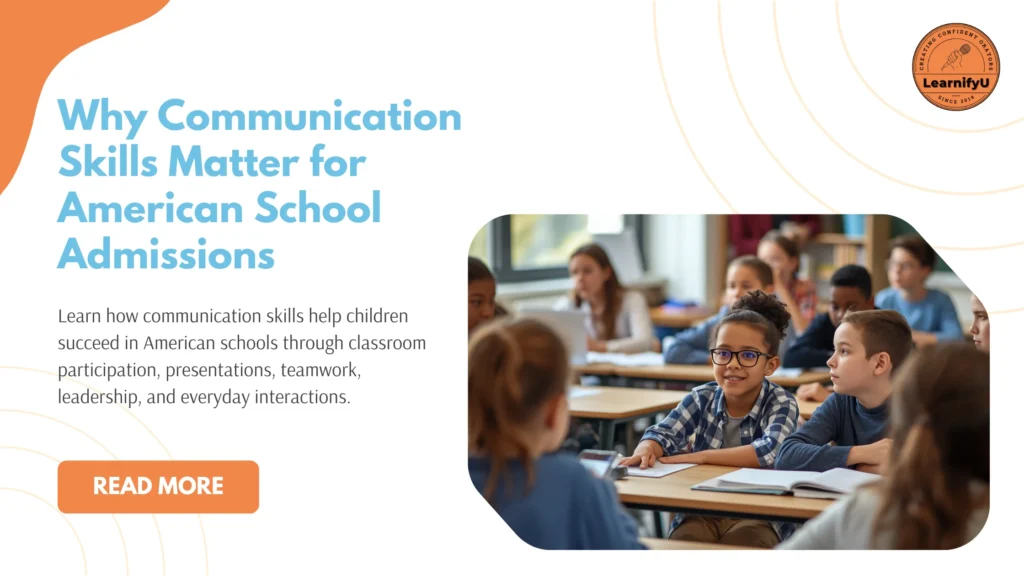
A teacher asks students to discuss a topic with their classmates.
One child immediately shares an “opinion”. Another student adds an example from “personal experience”. A third child listens carefully and asks a “thoughtful question”. Meanwhile, a few students remain silent – even though they understand the topic well.
Scenes like this unfold in classrooms across the United States every day.
Academic knowledge certainly matters in school. Children need to –– read, write, solve problems & understand concepts. However, many parents are beginning to notice that success in school is influenced by something beyond grades and test scores.
Children are increasingly expected to communicate.
They explain –– projects, participate in discussions, work in teams, present ideas, ask questions, collaborate with classmates, and interact with teachers throughout the school day. Because of this, communication skills have quietly become one of the most important school success skills for children.
American Classrooms Have Changed Over the Years
Many parents remember classrooms –– where students spent most of the day listening quietly while teachers delivered lessons.
Today’s classrooms often look very different.
In many American schools, students are encouraged to:
- Share opinions during discussions
- Work on collaborative projects
- Present assignments in front of classmates
- Participate in peer learning activities
- Explain their thinking process
- Ask questions during lessons
- Engage in classroom conversations
Teachers increasingly focus not only on what children know –but also on how they express and apply that knowledge.
A child who can communicate ideas clearly often finds it easier to participate fully in these –– learning environments.
Knowing the Answer and Saying the Answer Are Two Different Skills
Parents sometimes say:
“My child knows everything at home but says very little in school.”
Teachers hear this often.
Understanding a lesson & expressing understanding publicly are not exactly the same thing.
Some children hesitate because –– they worry about making mistakes. Others need more time to “organize” their thoughts before speaking. Some children simply feel “uncomfortable” drawing attention to themselves.
As a result –– capable students may participate less frequently than they would like.
Communication development helps children bridge this gap.
When children become more comfortable expressing ideas verbally – they often begin contributing more actively during classroom discussions.
Classroom Participation Influences Learning
Participation is not only about speaking frequently.
Meaningful participation may include:
- Answering questions
- Asking for clarification
- Sharing viewpoints
- Reading aloud
- Participating in discussions
- Explaining ideas to classmates
- Contributing during group work
Children who participate regularly often stay more engaged with lessons –– because they are actively processing information rather than passively receiving it.
Participation also allows teachers to understand –– what students know, where they need support and how they are thinking about a topic.
Asking Questions Is an Important Academic Habit
Some children hesitate to ask questions – because they fear appearing unprepared.
Ironically, children who ask “thoughtful questions” are often among the most engaged learners.
Questions help children:
- Clarify confusion
- Deepen understanding
- Connect ideas
- Develop curiosity
- Stay involved in lessons
A child who feels comfortable asking –– “Could you explain that another way?” is often “better positioned” to learn than a child – who stays silent despite being confused.
Communication confidence encourages children to seek help – when they need it rather than struggle quietly.
Group Projects Depend on Communication
Collaborative learning has become common in American schools.
Students frequently work together on:
- Science projects
- Classroom presentations
- Research assignments
- Problem-solving activities
- Team discussions
Group work teaches children –– how to exchange ideas, negotiate, compromise, and work toward shared goals.
However, collaboration becomes difficult when children struggle to communicate.
Some children dominate conversations. Others withdraw completely.
Communication skills help children learn how to:
- Share ideas respectfully
- Listen actively
- Build upon another person’s thoughts
- Disagree politely
- Resolve misunderstandings
These abilities support not only academic success –but also future workplace and leadership skills.
Listening Is Often Overlooked
When parents think about communication – they often focus only on speaking.
Listening deserves equal attention.
Strong communicators are usually attentive listeners.
Children who listen carefully often:
- Follow instructions more accurately
- Understand discussions more fully
- Respond thoughtfully
- Collaborate effectively
- Develop stronger relationships
Listening also helps children understand perspectives that differ from their own.
This skill becomes especially important in diverse classrooms –– where students interact with peers from many backgrounds and experiences.
Presentations Are Becoming More Common
Many American students encounter presentations from an early age.
Children may be asked to:
- Present book reviews
- Explain research projects
- Share classroom assignments
- Participate in assemblies
- Deliver speeches
- Present group work
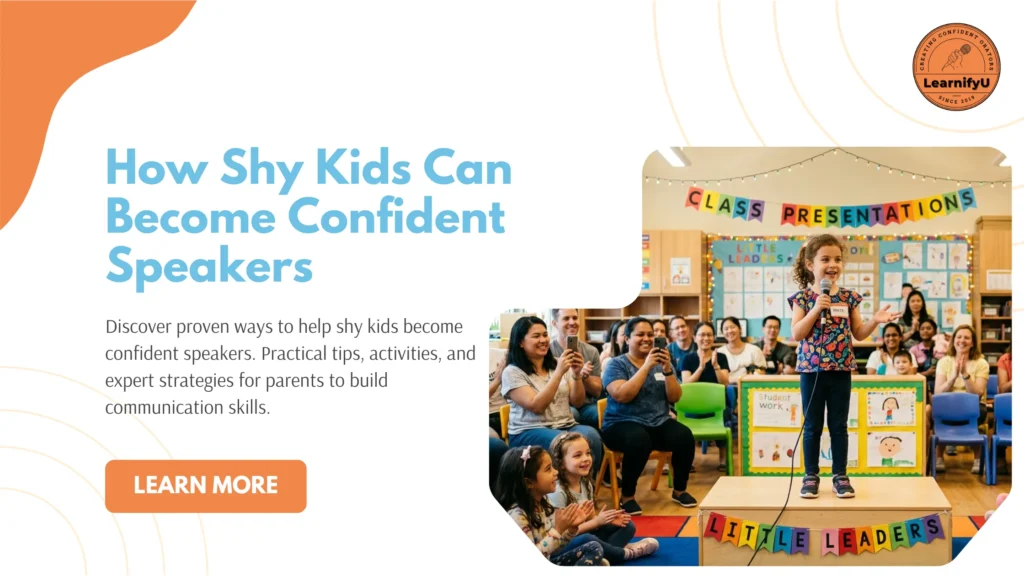
For some children, standing in front of classmates feels natural.
For others – it feels intimidating.
Presentation confidence rarely appears suddenly.
It usually develops gradually through everyday communication experiences.
Children who regularly participate in conversations, discussions and speaking activities often feel more prepared –– when presentation opportunities arise.
Parents who would like structured support often explore our Online Communication & Public Speaking Programs for Kids in the USA –– where children learn practical speaking skills, presentation techniques, and age-appropriate communication strategies in an encouraging learning environment.
Communication Skills Support Leadership Opportunities
Leadership in school does not always involve formal titles.
Children demonstrate leadership when they:
- Organize team activities
- Share ideas confidently
- Support classmates
- Guide group discussions
- Represent peers
- Volunteer for responsibilities
Strong communication skills often make these experiences easier.
Leadership requires –– children to express thoughts clearly, listen to others and communicate respectfully.
Many school leadership opportunities begin with simple classroom interactions.
Communication Affects Social Experiences Too
School is not solely an academic environment.
Children spend years forming friendships, resolving disagreements & navigating social situations.
Communication influences these experiences every day.
Children use communication skills when they:
- Introduce themselves
- Join conversations
- Resolve conflicts
- Express feelings
- Build friendships
- Participate in extracurricular activities
Children who communicate comfortably often find social situations –– easier to navigate.
That does not mean every child must become highly outgoing.
Quiet children can also become effective communicators.
The goal is comfort and –not constant conversation.
Why Some Children Speak Freely at Home but Stay Quiet at School
Parents frequently notice an interesting pattern.A child may talk continuously at home but say very little at school.
This difference is understandable.
Home offers familiarity and emotional safety. School introduces additional factors:
- Larger audiences
- Peer opinions
- Performance expectations
- Fear of mistakes
- Social comparison
Children sometimes need support and practice before they feel equally comfortable communicating in both settings.
1. Small Communication Habits Matter
Parents often look for dramatic changes.
Communication growth usually happens gradually.
Simple habits can create meaningful progress over time.
2. Encourage Longer Conversations
Ask questions that invite explanation rather than one-word answers.
Instead of asking:
“Did you have a good day?”
Try:
“What was something interesting that happened today?”
3. Allow Children Time to Respond
Some children need extra time to organize thoughts before speaking.
Avoid rushing to complete sentences for them.
4. Encourage Independent Interactions
Age appropriate opportunities –– to order food, greet guests or ask questions independently can strengthen confidence.
5. Read Together
Reading introduces children to new vocabulary, sentence structures & ideas –– while supporting language development.
Reading aloud can also improve speaking comfort and verbal expression. Families looking to strengthen these areas sometimes combine communication development with –– Spoken English Classes for Kids in USA or guided reading activities to support overall language confidence.
Communication Skills Extend Beyond School
The communication habits children develop in school often remain valuable throughout life.
Children eventually use these skills during:
- Interviews
- Team projects
- Leadership roles
- College applications
- Workplace interactions
- Community activities
Because communication influences so many areas of life –– many parents now view it as a foundational life skill rather than an optional enrichment activity.
Success Looks Different for Every Child
It is important to remember that communication success does not look identical for every student.
Some children enjoy leading discussions.
Others prefer thoughtful contributions after careful reflection.
Some children communicate confidently in small groups before feeling comfortable speaking to “larger audiences”.
Progress should not be measured by volume alone.
A child who begins asking questions, contributing occasionally, or sharing opinions more freely is making meaningful progress.
The objective is not to create identical communicators.
The objective is to help children express themselves comfortably and effectively.
FAQs - Frequently Asked Questions
Many American classrooms encourage discussion, collaboration, presentations, and active participation. Communication skills help children engage confidently in these experiences.
Communication skills do not replace academic ability but they often help children participate –– more actively, ask questions and engage more deeply with learning.
Children may “hesitate” because of –– fear of mistakes, lack of confidence, concern about peer reactions or discomfort speaking in larger groups.
Yes. Communication supports –– conversations, relationship building, conflict resolution, and social interactions throughout childhood.
Communication development begins early. Age-appropriate opportunities –– to speak, listen, and express ideas can benefit children from a young age.
Common Questions Parents Ask
Home feels familiar and predictable. School introduces social expectations and larger audiences –– which may make some children more reserved despite being confident at home.
Create regular opportunities for –– conversation at home, encourage children to share opinions, listen patiently & celebrate effort rather than –– focusing only on correct answers.
Absolutely. Academic knowledge becomes more useful –– when children can explain ideas, ask questions, collaborate with others, and participate confidently.
Many children become more comfortable participating in class after gaining experience speaking in supportive environments –– where communication skills are practiced regularly.
Being quiet is not a problem. The goal is not to change personality. The goal is to help children communicate clearly and confidently –– whenever they choose to share their thoughts.
Key Takeaway
Academic knowledge remains important in American schools but communication increasingly influences how children experience learning.
Children are expected to –– participate, collaborate, ask questions, explain ideas and interact with others throughout the school day.
When communication skills improve –– many children find it easier to contribute in class, build relationships, participate in presentations, and engage more confidently in school life.
Helping children develop these abilities early can support not only academic success but also lifelong confidence in expressing what they know and who they are.