
Reading Fluency & Reading Aloud Classes for Kids in India
Many children are able to read words from books but while reading loudly in class, confidence gets lost somewhere and hesitation starts coming slowly. Words are skipped, some sentences are spoken wrongly, and voice becomes very soft because fear and nervousness get felt inside. Because of this, classroom participation, spoken English, and communication confidence also get affected with time.
That is why real change starts getting seen with guided reading practice and with small support, confidence also begins growing little by little.
At LearnifyU, Reading Fluency & Reading Aloud Classes for Kids in India are created with care so children can slowly become confident readers and expressive speakers with practice and support. Focus is given on fluency, clear pronunciation, voice clarity, understanding of sentences, and confident speaking through simple reading activities according to different age groups and learning levels so every child can feel comfortable while learning and speaking.
Instead of forcing children to “read perfectly,” we work on helping them become comfortable with language first. As reading starts becoming natural for children, speaking confidence also begins growing slowly with it and comfort while expressing thoughts gets felt more.
For many kids, the first step toward better communication skills and public speaking confidence is often started through reading aloud because fear becomes less and words begin coming out more freely with practice.
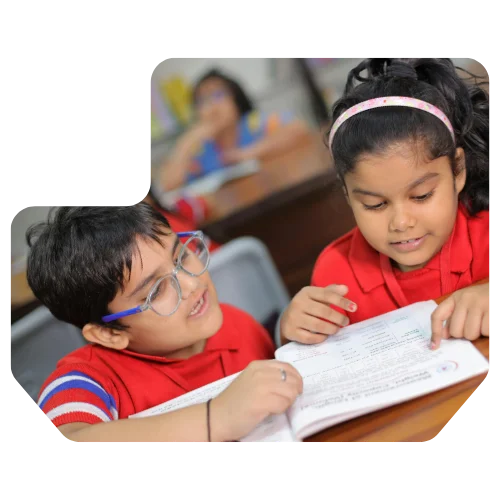
Why Reading Fluency Matters for Children
Reading is not only for studies because language gets understood better, thoughts get expressed clearly, and communication with others also becomes more confident and natural for children with time.
Children who regularly practice oral reading often develop:
- Better sentence flow
- Clearer pronunciation
- Improved listening ability
- Stronger vocabulary
- Higher confidence while speaking
- Better classroom participation
Reading aloud also helps language get understood actively by children instead of only looking at words silently from a book.
When pauses start getting learned, important words begin getting spoken with better expression and clarity comes into speaking, communication also starts improving naturally with time.
Many parents also notice that children who feel less confident while speaking often feel uncomfortable while reading aloud in front of others. But once fear slowly starts reducing, better participation begins getting seen not only in reading sessions but also in school discussions, storytelling, presentations, and daily conversations.
Signs Your Child May Need Reading Fluency Support
Every child learns in their own way, but some common signs can show that guided reading practice may really help:
- Reading very slowly
- Skipping or repeating words
- Difficulty pronouncing common English words
- Avoiding reading in front of others
- Speaking too softly while reading
- Lack of expression while reading stories
- Hesitating during classroom reading
- Understanding English but struggling to speak fluently
- Low confidence during presentations or speaking activities
These challenges are common, especially among children who have limited speaking exposure or feel conscious while communicating in English.
With regular practice and the right environment, children usually improve steadily.
What Children Learn in Our Reading Aloud Classes
Our program focuses on practical language development rather than memorization.
Reading Fluency
Children slowly learn how words can be read smoothly without too many unwanted pauses or breaks in between.
Pronunciation & Clarity
Children receive guidance on word sounds, sentence clarity, articulation, and difficult pronunciations in a natural way.
Voice Expression
Through sessions, tone, pace, pauses, and word emphasis while reading stories or passages start getting understood better by children with practice.
Vocabulary Development
Different types of reading content regularly help new words and sentence structures get learned naturally by children with time and practice.
Comprehension Skills
Children are encouraged to understand what they read instead of only reading words in a robotic and emotionless way.
Confidence While Speaking
As hesitation reduces during reading activities, many children become more comfortable speaking in front of others too.
Parents looking to improve their child’s spoken communication skills often combine these sessions with our Public Speaking for Kids in India program, where children further develop presentation and speaking confidence.
Age Groups We Work With
Early Readers (4–7 Years)
At this stage, children are introduced to reading through:
- Simple stories
- Phonics activities
- Poems
- Picture-based learning
- Interactive reading exercises
The focus remains on:
- Basic fluency
- Pronunciation improvement
- Comfort with speaking aloud
- Listening and repeating
- Sentence rhythm
The sessions are kept engaging so children develop positive associations with reading.
Growing Readers (8–11 Years)
Children in this age group usually begin reading longer passages and chapter-based content.
We help them work on:
- Reading confidence
- Smooth sentence flow
- Story expression
- Vocabulary building
- Reading comprehension
- Clear pronunciation
Many children in this stage begin participating more confidently in school reading activities and storytelling competitions.
Advanced Readers (12–14 Years)
Older children often need support with:
- Articulation
- Voice modulation
- Reading expression
- Presentation confidence
- Public reading
- Interview speaking confidence
The sessions become more communication-oriented and help children sound more natural and confident while speaking.
How Our Classes Are Conducted
The classes are conducted online in an interactive format with age-appropriate activities.
Children participate in:
- Guided reading practice
- Story reading sessions
- Pronunciation correction
- Group reading activities
- Listening exercises
- Vocabulary discussions
- Comprehension-based interaction
- Speaking-based reading tasks
Instead of creating pressure, trainers encourage children to participate gradually.
This helps hesitant readers feel comfortable over time.
Reading Aloud and Spoken English Go Together
One of the biggest misunderstandings among parents is that spoken English can improve only through conversation practice.
In reality, reading fluency plays a major role in spoken language development.
Children who read regularly tend to:
- Speak more naturally
- Use better vocabulary
- Form sentences faster
- Improve pronunciation
- Understand language structure better
That is why reading practice is often included as a foundational activity in our English Fluency Classes for Kids as well.
Consistent reading exposure strengthens both comprehension and verbal communication simultaneously.
Why Parents Prefer Structured Reading Programs
Many parents try reading practice at home, but children often resist regular reading because it starts feeling like homework.
Structured sessions help because:
- Children follow routines more consistently
- Reading becomes interactive
- Kids observe other learners
- Trainers correct mistakes immediately
- Sessions remain engaging and conversational
The environment matters a lot.
Children improve faster when they feel comfortable participating without fear of making mistakes.
Building Confidence Through Reading
Children who hesitate while speaking often become overly conscious of making errors.
Reading aloud in a guided environment slowly reduces that hesitation.
As children gain comfort with:
- Speaking clearly
- Reading smoothly
- Pronouncing words correctly
- Expressing themselves openly
Their overall communication confidence improves naturally.
This is also one reason why reading activities are connected closely with our Storytelling Classes for Kids in India, where expression, narration, and audience confidence start getting learned by children naturally.
Benefits of Reading Fluency Classes for Kids
With regular participation, children often show improvement in:
- Reading confidence
- Pronunciation clarity
- Speaking fluency
- Vocabulary usage
- Listening skills
- Sentence flow
- Classroom participation
- Storytelling ability
- Communication confidence
- Presentation skills
Many parents also notice better academic participation because children become more comfortable expressing answers verbally.
A Learning Environment That Encourages Participation
Children learn language best when they feel relaxed and heard.
Our trainers focus on creating a supportive environment where:
- Children are encouraged to speak
- Mistakes are corrected positively
- Shy learners receive gradual support
- Participation improves step by step
Every child progresses differently.
Some kids learn fast, while others need more guided encouragement. The purpose is not to force perfection but to build comfort with communication over time.
FAQs – Reading Fluency & Reading Aloud Classes for Kids
Children can start as early as 4 years old. Early exposure helps improve pronunciation, fluency, and listening skills naturally.
Yes. Many children hesitate because they lack confidence while speaking publicly. Guided reading practice gradually improves comfort and participation.
Definitely yes, the sessions are designed according to the child’s age and current reading level.
Reading aloud slowly helps sentence flow, pronunciation, vocabulary, voice clarity, and speaking confidence become better, and because of this, communication also starts improving naturally with time and practice.
Are the classes conducted online?
Help Your Child Become a More Confident Reader and Speaker
Reading fluency is not only about reading books correctly because confidence in communication, expression of ideas, and participation in daily situations also get shaped through it.
When comfort starts getting felt by children while reading aloud, speaking confidence also begins growing naturally with time.
At LearnifyU, strong communication foundations are built for children through structured, engaging, and age-appropriate learning experiences so learning can feel comfortable and enjoyable together.
Whether hesitation is faced while reading, pronunciation becomes difficult, or confidence in speaking feels low, meaningful improvement can slowly be seen through guided reading practice and regular support.